Best areas to live in Malta: a region-by-region guide
Living in Malta
Best areas to live in Malta: a region-by-region guide
Quick answer
Malta’s residential areas can broadly be divided into the Harbour Area, Central Malta, the North, Valletta and the Three Cities, and the South. Each involves a different trade-off between rent, commute time and lifestyle. Sliema, St Julian’s and nearby towns offer the shortest commute to many offices, but they are also the most expensive and busiest. Central and northern towns provide more residential surroundings and often more space, making them popular with families. Southern Malta generally offers better value and a more local atmosphere, but commuting to Sliema or St Julian’s can take an hour or longer, particularly by bus.
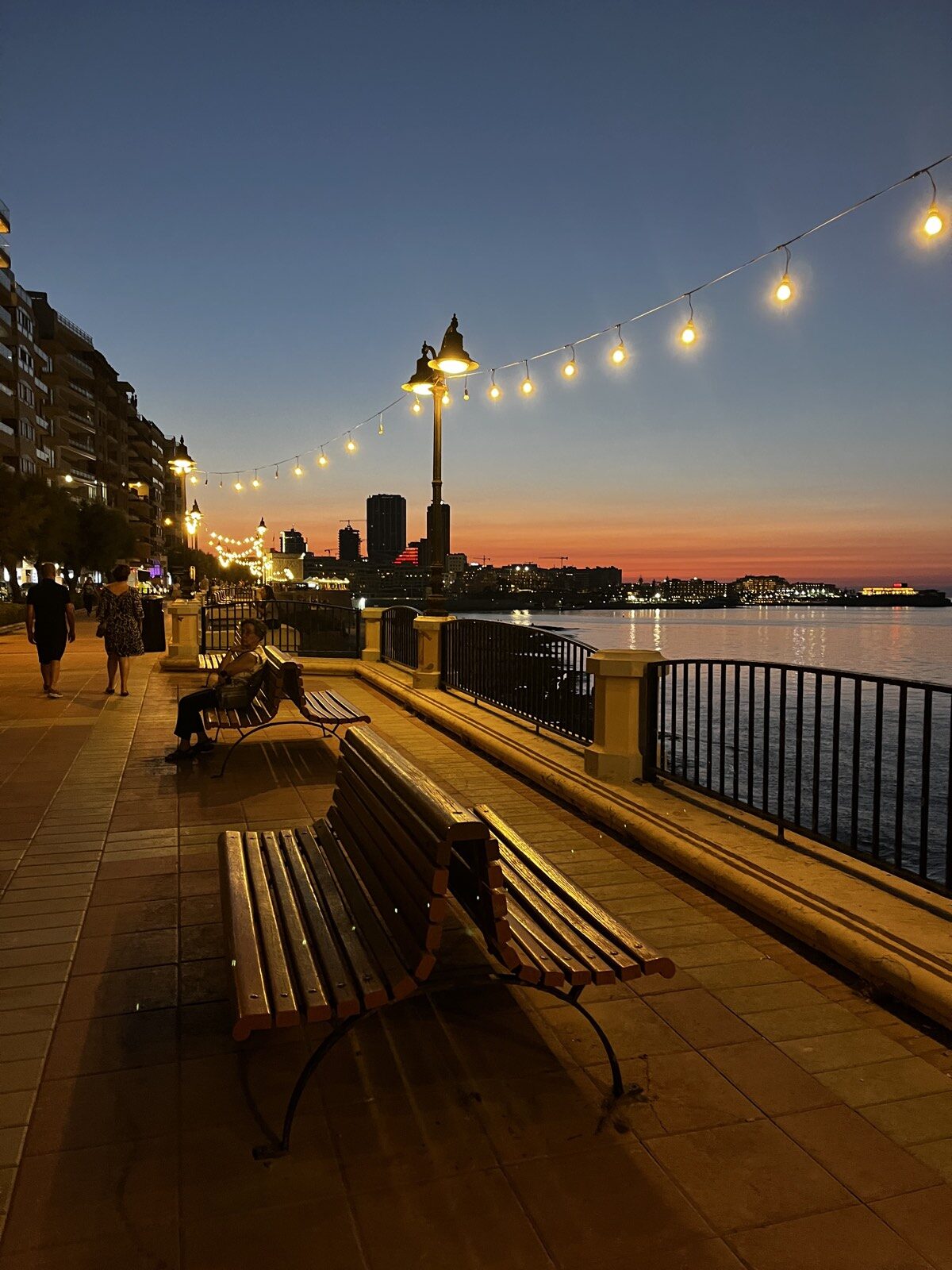
What Are the Main Areas of Malta?
Although Malta is small, choosing where to live can have a major effect on your daily routine.
The Harbour Area, including Sliema, St Julian’s, Gżira and Msida, is the main business and expatriate hub. It is convenient, lively and walkable, but also expensive, densely built and frequently noisy.
Central Malta includes towns such as Mosta, Naxxar, Birkirkara, Attard and Balzan. These areas tend to feel more residential and local while remaining reasonably connected to different parts of the island.
The North, including St Paul’s Bay and Mellieħa, offers coastal living and access to beaches but requires a longer commute to the main business districts.
Valletta and the Three Cities offer historic surroundings and distinctive architecture. They are well placed for people working around the capital, although the housing and atmosphere can vary considerably.
The South is generally more affordable and more traditionally Maltese. It suits people who prioritise space, community and value over proximity to Sliema and St Julian’s.
How Long Does It Take to Commute Around Malta?
Commute times in Malta are difficult to predict precisely. A journey that takes 20 minutes outside rush hour may take twice as long during the morning or evening peak.
The main congestion usually develops around routes leading towards Sliema, St Julian’s, Gżira, Msida and Valletta. These are among Malta’s biggest employment centres, particularly for financial services, technology, professional services and online gaming.
The following estimates are deliberately approximate.
| Residential area | Approximate peak-time journey to Sliema or St Julian’s by car | Approximate journey by bus | General commute level |
|---|---|---|---|
| Sliema, St Julian’s, Gżira, Msida | 10–25 minutes, depending on the exact location | 15–40 minutes; some journeys can be walked | Short |
| Swieqi, Pembroke, San Ġwann, Ta’ Xbiex | 15–30 minutes | 25–45 minutes | Short to moderate |
| Birkirkara, Mosta, Naxxar, Attard | Around 25–40 minutes | Around 40–60 minutes | Moderate |
| St Paul’s Bay, Buġibba, Qawra | Around 40–60 minutes | Around 60–90 minutes | Long |
| Mellieħa | Around 50–70 minutes | Often 75–100 minutes | Long |
| Valletta and the Three Cities | Around 25–45 minutes | Around 35–60 minutes, depending on ferry or bus connections | Moderate |
| Marsa, Paola, Fgura, Tarxien | Around 30–50 minutes | Around 45–75 minutes | Moderate to long |
| Marsaskala, Żabbar, Żejtun, Birżebbuġa | Around 45–65 minutes | Around 65–100 minutes, sometimes with a change | Long |
| Siġġiewi and other south-western towns | Around 40–60 minutes | Often 60–90 minutes or more | Long |
Bus journeys commonly take around 50% longer than driving. Buses generally use the same congested roads as cars, and many routes stop frequently.
The number of connections matters as much as the distance. A town may appear close on a map but be inconvenient if there is no direct bus to the workplace. Changing buses can add considerable time, especially when services are delayed.
Anyone relocating for a specific job should check the exact route during peak hours before committing to a lease.
The North – Beaches, Space and Longer Journeys
Northern Malta suits people who want coastal scenery, access to beaches and a slower pace of life.
Mellieħa
Mellieħa feels less urban than much of central Malta. It is close to Għadira Bay, Armier and the ferry terminal for Gozo and Comino. The surrounding countryside also makes it attractive to people who enjoy walking and outdoor activities.
It is generally quiet and family-friendly, although areas close to the beaches become much busier during summer. The town is hilly, so walking is not always convenient, particularly for families with small children or anyone with limited mobility.
Mellieħa works well for remote workers, retirees and families who do not need to travel to Sliema or St Julian’s every day. For daily commuters, the distance can become tiring. A peak-time journey to Malta’s main business areas may take close to an hour by car and considerably longer by bus.
St Paul’s Bay, Buġibba and Qawra
St Paul’s Bay is larger, busier and more international than Mellieħa. Buġibba and Qawra have restaurants, shops, bars and a long promenade, making the area convenient for people who want coastal living without being isolated.
The atmosphere varies significantly by street. Some parts are mainly residential, while others are dominated by tourism, holiday rentals and nightlife. Buġibba can feel busy and noisy during summer, while quieter streets can be found further from the central square and waterfront.
The area is usually more affordable than Sliema or St Julian’s, but the commute remains a disadvantage. It is best suited to remote workers, people working in northern Malta and renters who prioritise the sea over a short journey to work.
Central Malta – Residential, Local and Practical
Central Malta offers a compromise between access, price and quality of life.
Towns such as Birkirkara, Mosta, Naxxar, Attard and Balzan are more residential than the Harbour Area. They have supermarkets, schools, clinics, shops and other everyday services, making them practical for long-term living.
These towns are popular with Maltese families, so the environment generally feels more local. There are fewer tourists, fewer short-term rentals and less nightlife than in Sliema or St Julian’s.
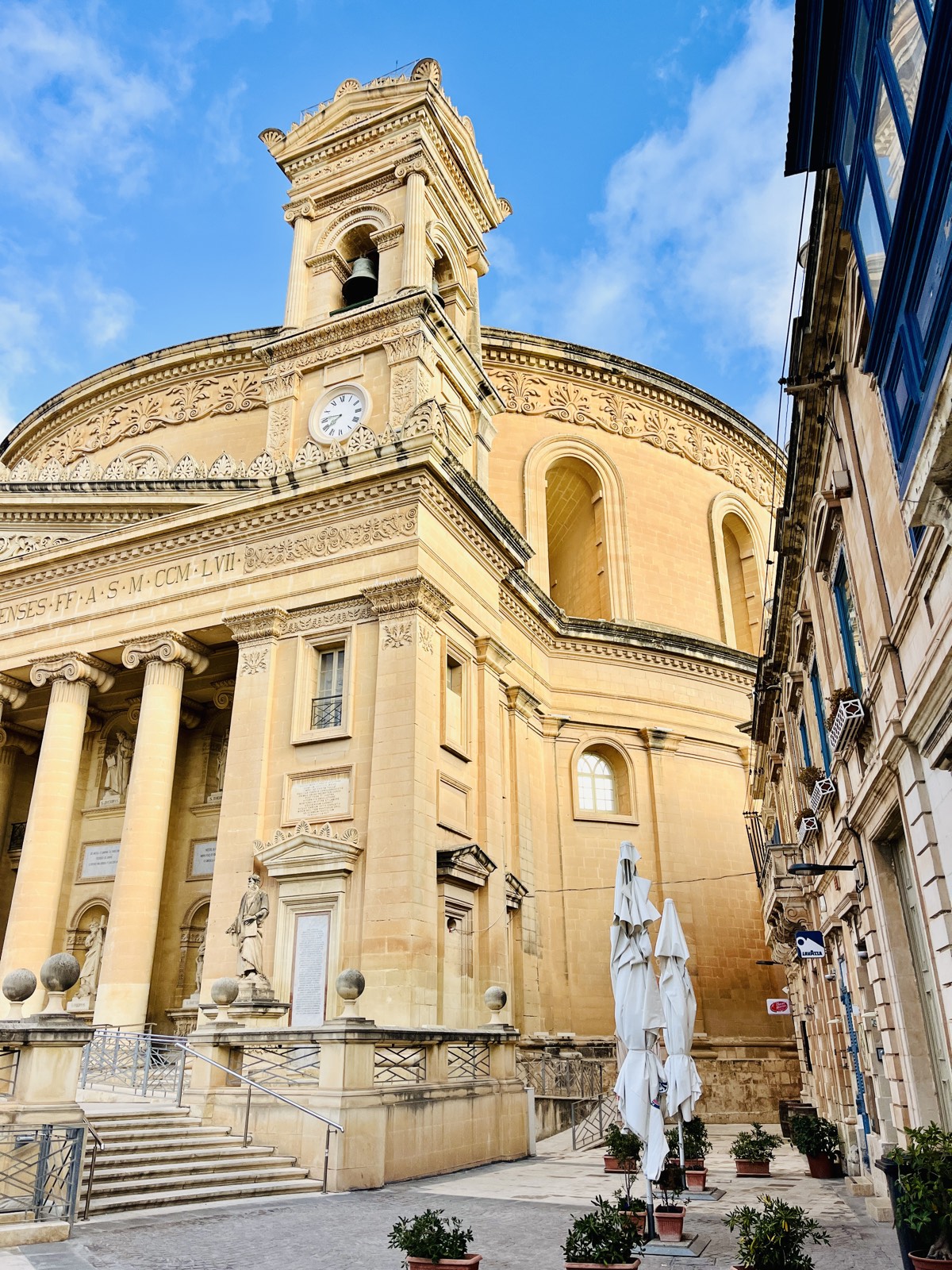
Mosta and Naxxar
Mosta and Naxxar are attractive to families looking for a larger apartment, a quieter neighbourhood and good access to schools and daily services.
They are not necessarily cheap. Both have become desirable residential locations, and modern apartments or larger family homes can be relatively expensive. However, the same budget may provide more space than it would in Sliema.
Naxxar has quieter residential streets and a traditional centre, while Mosta is busier and more commercial. Both remain within a reasonable driving distance of the Northern Harbour Area, although peak-time traffic can push the commute towards 30 or 40 minutes.
Attard and Balzan
Attard and Balzan are established residential towns with tree-lined streets, villas and family homes. They tend to feel quieter and less densely developed than Birkirkara.
They suit families and professionals who want a central position without living in a highly commercial area. Rental prices can still be on the higher side, particularly for larger or well-finished homes.
Birkirkara
Birkirkara is one of Malta’s largest and most centrally located towns. It is busy, densely populated and less polished than Attard or Naxxar, but it offers extensive services and relatively good access to different parts of the island.
Prices are often lower than in the Harbour Area, although they vary considerably between older properties and new developments. Some streets are residential, while others experience heavy traffic, limited parking and considerable daytime noise.
Birkirkara can be a practical choice for renters who want a central location without paying Sliema prices. It is less suitable for someone looking for coastal surroundings or a quiet village atmosphere.
The Harbour Area – Convenient, International and Expensive
The Harbour Area is usually the easiest place to live for young professionals working in Sliema, St Julian’s, Gżira, Msida or Ta’ Xbiex.
It has Malta’s highest concentration of offices, restaurants, cafés, gyms, shops and nightlife. Many people can walk to work or use a short bus route, avoiding the most difficult part of Malta’s daily traffic.
The main disadvantages are high rents, dense development, construction, traffic and noise.
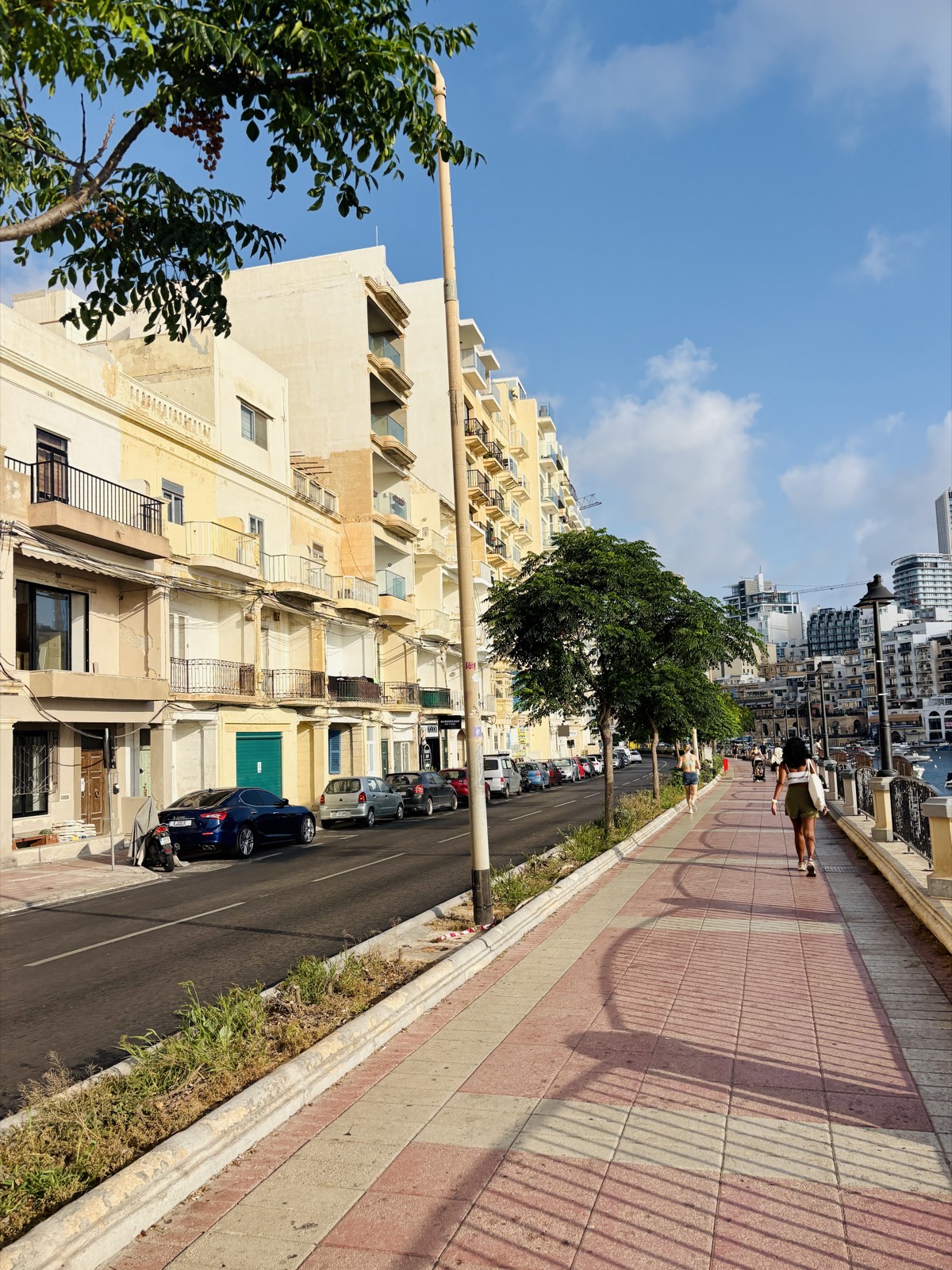
Sliema
Sliema is one of Malta’s most convenient but most expensive residential areas. It offers a long promenade, extensive shopping, frequent buses and a ferry connection to Valletta.
It is a good choice for people who want to live without a car. Shops, offices, gyms and restaurants are usually within walking distance.
However, Sliema is densely built and parking is difficult. Construction noise can affect residential streets, while traffic and commercial activity continue throughout much of the day. Apartments close to the seafront may also experience traffic noise.
Sliema suits professionals, couples and expatriates who value convenience and can afford the premium. Families may find larger apartments expensive and may prefer quieter neighbouring areas.
St Julian’s and Paceville
St Julian’s combines residential areas, offices, restaurants and nightlife. Parts of the town, including Balluta and Spinola, are attractive and walkable. Other parts are much busier.
Paceville is Malta’s main nightlife district. It suits people who actively want to live close to clubs, bars and late-night activity. It is generally not the best choice for families, light sleepers or anyone looking for a quiet home.
Even outside Paceville, noise from traffic, restaurants, construction and entertainment venues can be an issue. Rent is also among the highest in Malta.
Gżira and Msida
Gżira and Msida are popular alternatives to Sliema. They remain close to the main business districts and are widely used by students and younger professionals.
Some parts are walkable to Sliema, Ta’ Xbiex and the University of Malta. Rental prices may be lower than in central Sliema, although the difference has narrowed.
Both towns are busy, heavily developed and affected by traffic. Msida in particular has several major roads and can feel congested. Renters should check the immediate street rather than judging the town as a whole.
Swieqi, Pembroke and San Ġwann
These areas offer relatively quick access to St Julian’s while providing a more residential environment.
Swieqi is popular with professionals and families but can be expensive. Some parts close to Paceville may still experience nightlife-related noise.
Pembroke is quieter and more open, with better access to the coast. San Ġwann is more local and central, although it is busier and more densely built.
These areas are often better suited to families than Sliema or central St Julian’s, provided the rental budget allows for them.
Valletta and the Three Cities – Character Over Convenience
Valletta, Birgu, Bormla and Isla offer some of Malta’s most distinctive places to live.
Valletta
Valletta provides architecture, museums, restaurants, cultural events and excellent access to the main bus network. People working in the capital can walk to work, while ferries connect the city with Sliema and the Three Cities.
However, Valletta is not a conventional residential town. It is busy with visitors during the day and quieter at night, apart from streets with restaurants and bars.
Properties are often located in historic buildings. They can have traditional balconies, high ceilings and stone features, but may also have steep stairs, limited natural light, humidity or no lift.
Valletta is generally expensive, particularly for renovated character apartments. It suits people who value atmosphere, culture and architecture more than modern residential convenience.
Birgu, Bormla and Isla
The Three Cities have a stronger residential community and can provide better value than Valletta.
Birgu is the most polished and internationally recognised, particularly around the marina. Renovated homes and waterfront properties can be expensive.
Bormla and Isla feel more local. Prices may be lower, although the condition of properties and the character of individual streets can vary significantly.
The Three Cities suit people who want history and community while remaining close to Valletta. Ferry access is useful, but commuting to Sliema or St Julian’s is less direct.
The South – Better Value and a More Local Lifestyle
Southern Malta generally offers the best value for renters, particularly away from the waterfront.
The South is more traditionally Maltese than Sliema, St Julian’s or St Paul’s Bay. Neighbourhoods are more likely to be centred around local shops, churches, schools and community life.
The main disadvantage is the commute to the Northern Harbour Area. Direct buses may not exist, and changing buses can make the journey considerably longer.
Marsaskala
Marsaskala is one of the South’s most popular coastal towns. It has a long promenade, restaurants, swimming areas and a relaxed atmosphere.
It is family-friendly and popular with both Maltese and foreign residents. It is generally more affordable than Sliema, although waterfront apartments and new developments can still be expensive.
Marsaskala is quieter than the Harbour Area, but it is not isolated. The centre and promenade become busy during summer evenings and weekends.
It works well for families, remote workers and people employed in southern or central Malta. Daily commuting to Sliema or St Julian’s can take around an hour by car and longer by bus.
Żabbar and Żejtun
Żabbar and Żejtun offer a more local environment than Marsaskala. They are less tourist-oriented and generally more affordable than coastal areas.
These towns suit people who want everyday services, larger properties and a traditional community. They are not especially convenient for nightlife or international amenities.
Parking, traffic and street conditions vary. Some central areas are densely built, while properties on the outskirts may offer more space.
Birżebbuġa
Birżebbuġa has a sandy bay and a strong local community. It can offer relatively affordable coastal living, but prospective residents should consider its proximity to the Freeport and industrial activity.
Some areas have sea views and a pleasant waterfront atmosphere, while others may experience noise, heavy vehicles or visual impact from the port.
It is more suitable for people working in the South than for daily commuters to Sliema.
Marsa, Paola and Fgura
Marsa, Paola and Fgura are often more affordable than Malta’s premium residential areas. They provide practical access to Valletta and several major roads.
These are urban, densely populated locations rather than quiet village environments. Parts of Marsa are affected by traffic, industrial activity and major infrastructure. Paola and Fgura have extensive shops and services but can also be busy and noisy.
They may suit renters prioritising price and access over coastal surroundings or an expatriate-oriented lifestyle.
Siġġiewi
Siġġiewi has a quieter, more traditional atmosphere and is surrounded by countryside. It can offer better value than central and northern premium locations.
It suits families and people looking for a local village environment. The trade-off is transport. Bus routes to Sliema and St Julian’s may require a connection, making the journey inconvenient for daily commuters.
Which Area Is Right for You?
| Your priority | Areas to consider |
|---|---|
| Walking to work in Sliema or St Julian’s | Sliema, St Julian’s, Gżira, Msida, Ta’ Xbiex |
| Nightlife and an international social environment | St Julian’s, Paceville, Sliema, Gżira |
| Living without a car | Sliema, Gżira, Msida, Valletta |
| A quieter home close to St Julian’s | Pembroke, parts of Swieqi, San Ġwann |
| A family-oriented central location | Mosta, Naxxar, Attard, Balzan |
| Coastal living with a lower budget | Marsaskala, St Paul’s Bay, Birżebbuġa |
| The lowest possible rent | Żabbar, Żejtun, Marsa, parts of Paola, Fgura and Siġġiewi |
| A local Maltese atmosphere | Żejtun, Żabbar, Siġġiewi, Bormla, Mosta |
| Historic surroundings | Valletta, Birgu, Bormla, Isla |
| Beaches and outdoor living | Mellieħa, Marsaskala, St Paul’s Bay |
| Remote working | Mellieħa, Marsaskala, Siġġiewi and quieter central towns |
| A short commute to Valletta | Valletta, Floriana, Three Cities, Paola, Marsa |
What Should You Check Before Renting?
The town name alone is not enough to tell you whether a property is suitable.
Check the exact journey to work at the time you will normally travel. A route that appears short outside peak hours may be much slower at 8:00 in the morning.
Visit the street during both the day and evening. Look for construction sites, bars, restaurants, schools, workshops and major roads. Malta’s dense development means that two streets in the same town can have very different noise levels.
Confirm whether the property has air conditioning, adequate ventilation and protection from humidity. These details can matter more than expected during Malta’s hot summers and damp winters.
People planning to rely on buses should confirm whether there is a direct route. A bus change can turn a manageable commute into a lengthy daily journey.
Families should also consider access to schools, childcare, supermarkets, playgrounds and parking rather than choosing an area based only on rent.
Frequently asked questions
What is the best area to live in Malta for young professionals?
Sliema, St Julian’s, Gżira and Msida are the most convenient for young professionals. They are close to many offices, restaurants, nightlife and public transport. They are also among Malta’s most expensive and busiest residential areas.
Where should families live in Malta?
Mosta, Naxxar, Attard and Balzan are popular central choices. Mellieħa suits families who want beaches and a quieter environment, while Marsaskala provides coastal living at a generally lower cost than Sliema.
What are the cheapest areas to rent in Malta?
The most affordable areas are generally found in the South and Southern Harbour districts. Żabbar, Żejtun, Marsa, parts of Paola and Fgura, Birżebbuġa and Siġġiewi are often cheaper than Sliema, St Julian’s, Valletta, Naxxar or the most desirable parts of Mosta.
Coastal apartments usually carry a premium, even in otherwise affordable towns.
What are the most expensive places to live in Malta?
Sliema, St Julian’s and Valletta are generally the most expensive. Ta’ Xbiex, Swieqi and premium areas of Naxxar can also be costly.
Prices increase further for seafront apartments, new developments, large terraces and properties with parking.
Is the South of Malta a good place to live?
The South is a good choice for people who want better value, a more local community and less tourism. It is particularly suitable for families, remote workers and people employed around Valletta, the airport, the Freeport or southern Malta.
It is less practical for someone who must commute to Sliema or St Julian’s every day.
How much longer does travelling by bus take in Malta?
As a general guide, a bus journey may take around 50% longer than driving. The difference can be greater when the route requires a change or makes many stops.
Buses usually share the same congested roads as cars, so they are also affected by peak-time traffic.
How do I travel between Sliema and Valletta without a car?
The ferry is usually the most convenient option. It connects the Sliema waterfront with central Valletta and avoids road congestion.
Buses also operate between the two areas, but the ferry is often faster and more pleasant when weather conditions allow.